¿Es mejor jugar en línea o en un casino físico Descubre lo que MiCasino te ofrece
¿Es mejor jugar en línea o en un casino físico Descubre lo que MiCasino te ofrece
La experiencia de juego en línea
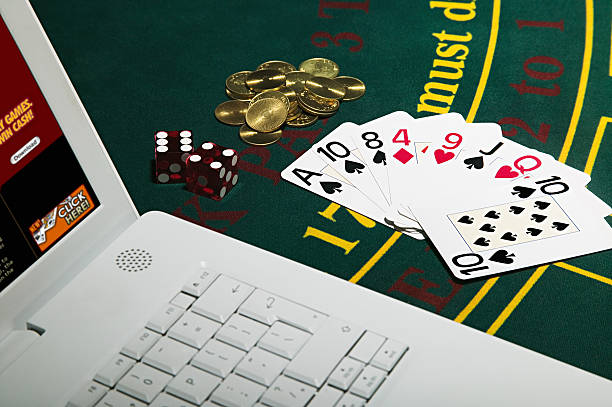
Jugar en línea ha revolucionado la forma en que las personas disfrutan de los juegos de azar. Con plataformas como mi.casino, los jugadores pueden acceder a una amplia variedad de juegos desde la comodidad de su hogar. Esto incluye tragamonedas, juegos de mesa y opciones de casino en vivo, lo que permite una experiencia envolvente sin necesidad de desplazarse a un casino físico.

Además, los casinos en línea suelen ofrecer bonos y promociones que no están disponibles en los establecimientos físicos. Estos incentivos pueden aumentar considerablemente las oportunidades de ganar, lo que hace que jugar en línea sea aún más atractivo. La facilidad de uso y la posibilidad de jugar en cualquier momento son también factores clave que atraen a muchos jugadores. En esta línea, el Mi Casino apk se presenta como una herramienta efectiva para acceder a estas maravillas, facilitando aún más la experiencia del usuario.
Ventajas de los casinos físicos
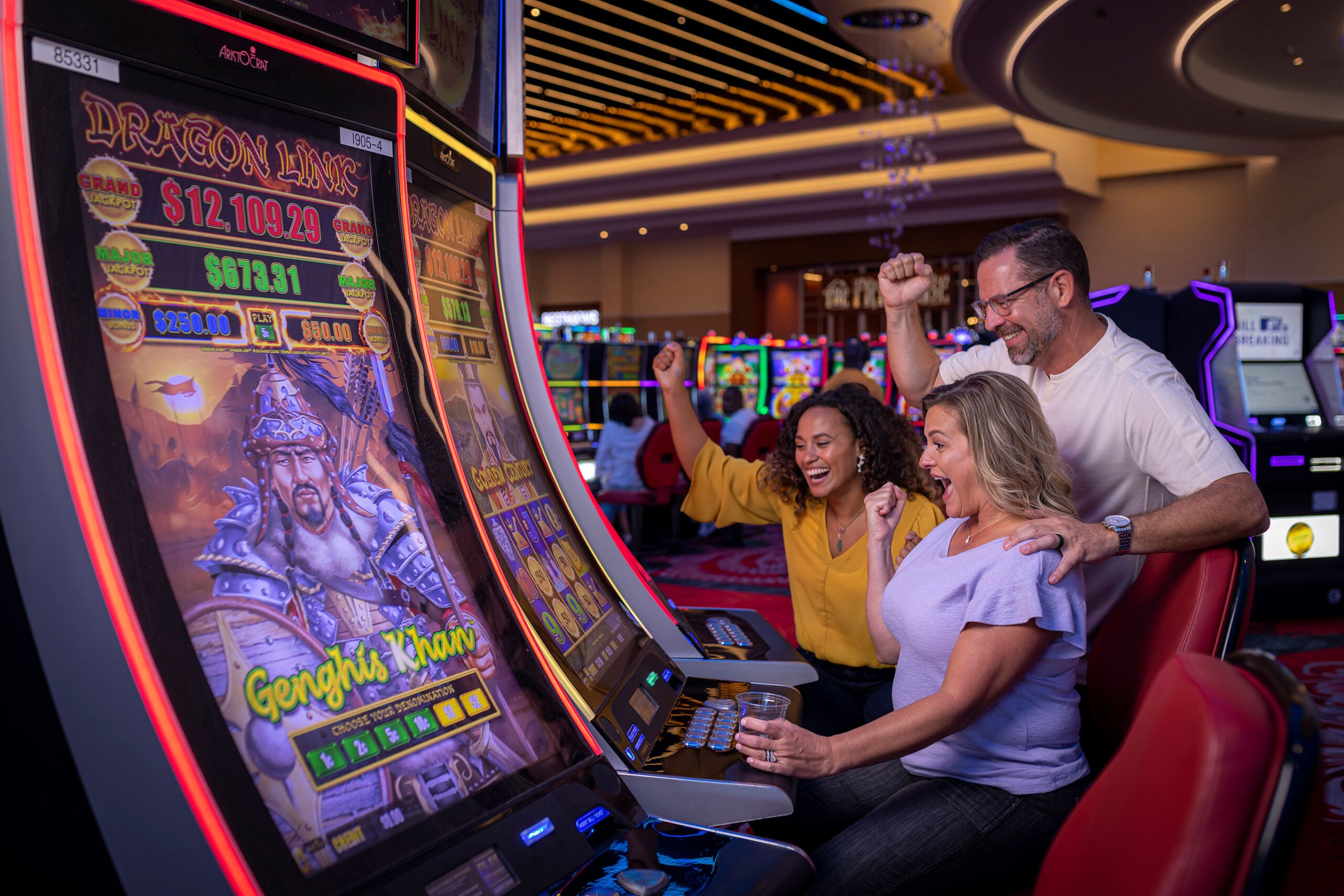
Los casinos físicos ofrecen una experiencia única que muchos jugadores todavía prefieren. La atmósfera vibrante, el sonido de las máquinas tragamonedas y la interacción cara a cara con otros jugadores y crupieres crean una sensación de comunidad y emoción. Estas experiencias sensoriales son difíciles de replicar en un entorno virtual.
Además, los casinos físicos suelen ofrecer servicios adicionales, como restaurantes, bares y espectáculos en vivo, lo que convierte una simple visita en un evento social completo. Para algunos, la emoción de estar en un casino y participar en juegos en tiempo real supera las ventajas de jugar en línea.
Seguridad y regulación en el juego en línea
La seguridad es una de las principales preocupaciones para los jugadores que optan por jugar en línea. Sin embargo, plataformas como MiCasino están diseñadas con tecnologías avanzadas de encriptación que garantizan la protección de los datos personales y financieros de los usuarios. Esto crea un ambiente de juego seguro y confiable.
Además, el juego en línea está regulado por diversas leyes que garantizan la transparencia y la equidad en los juegos. Esto proporciona a los jugadores la tranquilidad de saber que están participando en un entorno controlado y justo, donde tienen la misma oportunidad de ganar que en un casino físico.
Interacción y comunidad en el juego
Una de las desventajas del juego en línea puede ser la falta de interacción social. Aunque los casinos en línea han introducido opciones de casino en vivo que permiten a los jugadores interactuar con crupieres y otros jugadores, la experiencia puede no ser la misma que en un casino físico.
Sin embargo, muchas plataformas en línea están trabajando para mejorar la socialización entre jugadores mediante chats y foros. Esto ayuda a crear una comunidad virtual donde los jugadores pueden compartir estrategias, experiencias y, en general, disfrutar del juego juntos, aunque estén separados por distancias.
MiCasino: La opción ideal para jugar
MiCasino es una de las plataformas más destacadas para jugar en línea en Bolivia. Ofrece una experiencia de juego completa con una amplia variedad de opciones, desde tragamonedas hasta juegos de mesa y casino en vivo. Los usuarios pueden disfrutar de una experiencia inmersiva y segura, con atención al cliente disponible las 24 horas.
Además, MiCasino se distingue por sus atractivos bonos y promociones, que brindan a los jugadores mayores oportunidades de ganar. Con un compromiso hacia la seguridad y la satisfacción del usuario, MiCasino se posiciona como una excelente opción tanto para jugadores nuevos como para veteranos que buscan una experiencia de juego en línea emocionante y confiable.